
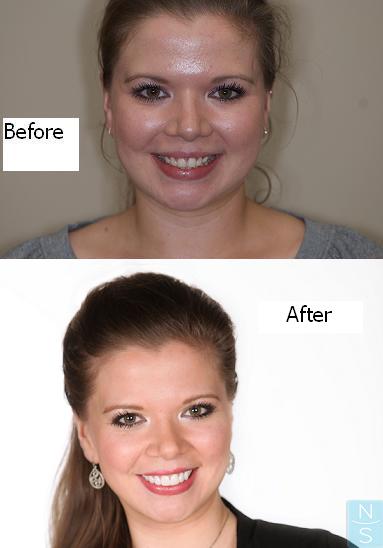
If there are things you would like to change about your smile, such as the shape, colour, size, or appearance of certain teeth, dental veneers may be one treatment option worth discussing with your dentist.
Veneers are thin restorations placed over the front surface of selected teeth to change their appearance while maintaining a natural-looking smile. They are commonly made from either porcelain or composite resin, and each option has its own advantages depending on your teeth, goals, and treatment plan.
At Dundarave Dental, we believe cosmetic dentistry should never be about creating the same “perfect” smile for everyone. The goal is to find an approach that complements your facial features, feels comfortable, and still looks like you.
For patients considering porcelain veneers in West Vancouver, understanding what veneers can and cannot do is an important first step. Below, we look at why veneers may be recommended, how porcelain and composite veneers differ, what the treatment process involves, and how to care for your smile afterward.
What Can Dental Veneers Help Improve?
Veneers can be used to address several cosmetic concerns, but the right treatment depends on your teeth, oral health, and what you would like to change about your smile. For some patients, veneers may involve just one or two teeth. For others, they may be considered as part of a broader smile makeover.
Dental veneers may be an option for improving the appearance of:
- Discoloured or stained teeth that have not responded as desired to professional whitening
- Chipped or fractured teeth, depending on the extent of the damage
- Worn teeth that have changed in shape or appearance over time
- Small or unevenly shaped teeth that look out of proportion with the surrounding smile
- Gaps between certain teeth that a patient would like to reduce
- Minor cosmetic alignment concerns where changing the shape of a tooth may create a more balanced appearance
- Asymmetrical teeth where differences in length, shape, or proportion affect the overall smile
One of the advantages of cosmetic dentistry today is that treatment can be highly personalized. Rather than focusing on creating perfectly identical teeth, the aim is often to improve balance, proportion, colour, and shape while preserving the characteristics that make a smile look natural.
Veneers Aren’t the Right Solution for Every Smile
Before recommending dental veneers in West Vancouver, your dentist should first look at the health and condition of your teeth and gums. Existing decay, gum concerns, significant bite issues, or habits such as grinding and clenching may need to be addressed before cosmetic treatment begins.
There may also be a more conservative option. For example, professional teeth whitening may be appropriate when colour is the main concern, composite bonding may work well for smaller changes, and orthodontic treatment such as Invisalign® may be considered when tooth position or bite is the primary issue.
A consultation gives you the opportunity to discuss these options and understand the advantages, limitations, and long-term considerations of each before deciding how you would like to proceed.
Porcelain vs. Composite Veneers: What’s the Difference?
Both porcelain and composite veneers can improve the colour, shape, size, and overall appearance of teeth, but there are a few important differences.
Porcelain veneers are custom-made restorations designed to closely resemble natural tooth enamel. They are highly resistant to staining and are often chosen when patients are looking for a durable, natural-looking cosmetic result. Depending on the tooth and treatment plan, a small amount of enamel may need to be removed.
Composite veneers are made from tooth-coloured resin that is shaped directly onto the tooth. They can often be completed more quickly, may require less tooth preparation, and can usually be repaired more easily if damaged. However, composite is more prone to staining and wear over time than porcelain.
Neither option is right for everyone. Your dentist can recommend an approach based on the condition of your teeth, your bite, the changes you would like to make, and your long-term goals for your smile.